Global Glass Bong Market Research Report (2026)
Executive Summary
The global glass bong market is a steadily growing niche within the glass smoking accessories and tobacco hardware industry, driven by rising demand for durable, aesthetic, and functional water‑filtered smoking tools. This report analyzes market dynamics, product segmentation, regional demand, competitive patterns, key trends, challenges, and future outlook, with a focus on legal tobacco accessory applications and consumer lifestyle preferences.
Market Overview
Glass bongs are high‑quality borosilicate glass water pipes designed for tobacco and legal herbal blends, offering cooler, smoother inhalation through water filtration. They serve dual roles as functional smoking tools and decorative art pieces, appealing to hobbyists, collectors, and daily users. The market has expanded consistently since 2023, supported by e‑commerce growth, craft manufacturing, and evolving consumer tastes for premium glassware.
Product Segmentation
- By Design
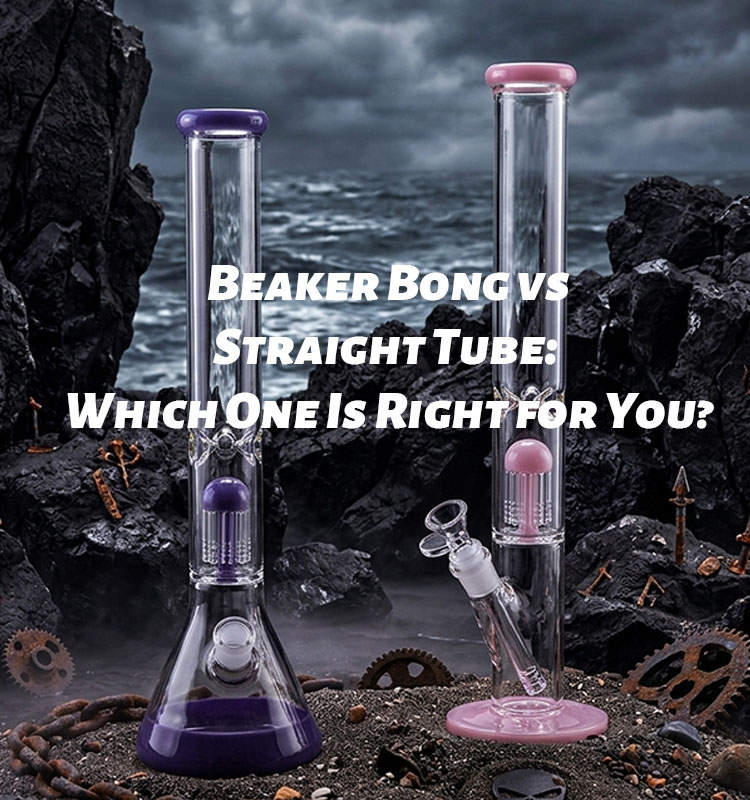
- Basic beaker & straight‑tube models: Entry‑level, affordable, and high‑volume sellers, accounting for about 65% of retail sales.
- Premium artisanal pieces: Hand‑blown, colored, or sculpted designs with percolators and ice catchers, targeting high‑margin collectors.
- Mini & portable versions: Compact for travel, gaining popularity among young urban consumers.
- By Material
- Borosilicate glass: Dominates the market due to heat resistance, durability, and clarity.
- Mixed‑material options: Glass combined with silicone or metal for improved shock resistance, a fast‑growing subcategory.
Regional Demand Analysis
- North America: The largest market, representing over 70% of global import volume, led by the United States. Strong demand comes from specialty smoke shops, online retailers, and gift buyers.
- Europe: Steady growth in Germany, the UK, and France, supported by cultural acceptance of tobacco accessories and craft glass appreciation.
- Asia Pacific & Middle East: Emerging markets with rising disposable income and interest in lifestyle glassware. The UAE is a notable transit and retail hub.
Competitive Landscape
The market is highly fragmented, with three types of players:
- Large‑scale manufacturers: Focus on mass production, low‑cost wholesale, and global distribution, mainly based in China.
- Artisanal glass studios: Produce limited‑edition, high‑price collectible pieces for niche enthusiasts.
- Private‑label brands: Customize designs for online retailers and smoke‑shop chains, emphasizing branding and packaging.
Key competitive factors include material quality, craftsmanship, design uniqueness, pricing, and supply chain stability.
Key Market Trends
- Art & Function Integration: Consumers increasingly view glass bongs as decorative objects, boosting demand for colorful, patterned, and sculptural styles.
- E‑commerce Dominance: Online platforms drive over 55% of sales, supported by social media marketing and direct‑to‑consumer delivery.
- Sustainability & Durability: Recyclable borosilicate glass and long product lifespans align with eco‑friendly consumer values.
- Customization: Personalized engravings, colors, and shapes improve customer loyalty and average order value.
Challenges
- Regulatory Variability: Rules for smoking accessories differ across regions, requiring compliance adjustments for cross‑border sales.
- Raw Material Costs: Fluctuations in borosilicate glass and energy prices affect production margins.
- Low‑Quality Competition: Cheap, fragile alternatives can damage brand reputation and consumer trust.
Future Outlook
The global glass bong market is projected to grow at a moderate single‑digit CAGR from 2026 to 2030. Growth will be supported by:
- Rising demand for premium and artisanal glassware
- Expansion of online retail channels
- Product innovation in filtration, portability, and design
- Increasing acceptance as a legal tobacco accessory and lifestyle item
Long‑term success will depend on manufacturers’ ability to balance quality, affordability, and regulatory compliance while tapping into artistic and collectible trends.